
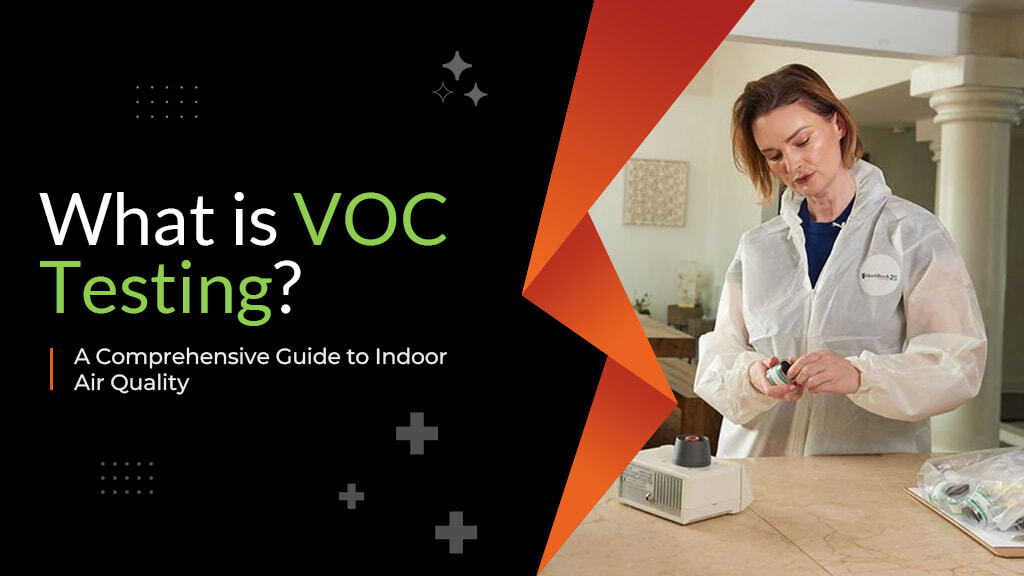
When it comes to indoor air quality, some of the biggest threats are the ones you cannot see. Volatile Organic Compounds, or VOCs, are invisible gases released from everyday materials and products inside your home. Understanding what VOC testing is and why it matters can help you protect your health, your property, and your indoor environment.
What is VOC Testing?
VOC testing is the process of measuring airborne chemicals that easily evaporate at room temperature. These compounds are released from common items like paint, furniture, cleaning products, flooring, and even electronics.
Unlike visible issues such as mold, VOCs cannot be detected without proper equipment. Testing provides accurate data about what is in your air and whether those levels are safe or potentially harmful.
Why VOC Testing is Important
Many homeowners underestimate how much indoor air can be affected by VOCs. In fact, indoor air can sometimes be more polluted than outdoor air due to trapped chemicals.
VOC testing helps you:
- Identify hidden air quality issues
- Detect harmful chemical exposure
- Improve overall indoor environment
- Make informed decisions about ventilation and materials
Without testing, you are essentially guessing about the safety of your air.
Common Sources of VOCs in Homes
VOCs are released from a wide range of everyday items. Some of the most common sources include:
- Paints, varnishes, and adhesives
- New furniture and carpets
- Cleaning supplies and air fresheners
- Building materials and insulation
- Printers and office equipment
That “new smell” you notice after renovations or new furniture is often VOCs being released into the air.
Health Effects of VOC Exposure
Exposure to VOCs can affect people differently depending on concentration and duration.
Short-Term Effects
- Headaches and dizziness
- Eye, nose, and throat irritation
- Nausea or fatigue
- Increased allergy symptoms
Long-Term Effects
- Respiratory issues
- Damage to liver or kidneys
- Nervous system impact
- Increased risk from certain toxic compounds
This is why identifying and controlling VOC levels is critical for long-term health.
How VOC Testing Works
Professional VOC testing follows a structured and scientific process to ensure accurate results.
Step 1: Air Sampling
Specialized equipment collects air samples from different areas of your property.
Step 2: Laboratory Analysis
Samples are analyzed using advanced methods to identify individual chemicals and their concentrations.
Step 3: Detailed Report
You receive a clear breakdown of VOC levels, including any harmful compounds present.
Step 4: Recommendations
Experts provide guidance on how to reduce VOC levels and improve indoor air quality.
When Should You Consider VOC Testing?
VOC testing is recommended in several situations:
- After home renovations or remodeling
- When moving into a new home
- If you notice strong or unusual odors
- When experiencing unexplained health symptoms
- In homes with poor ventilation or high humidity
Testing at the right time can prevent long-term exposure and costly issues.
How to Reduce VOC Levels in Your Home
Once VOCs are identified, there are several effective ways to reduce them:
- Improve ventilation with fresh air circulation
- Use low-VOC or VOC-free products
- Avoid excessive use of chemical cleaners
- Store chemicals properly
- Maintain HVAC systems regularly
Prevention and control go hand in hand with testing.
Final Thoughts
VOC testing is not just about identifying chemicals in the air. It is about creating a safer, healthier living environment for you and your family. Many indoor air quality problems go unnoticed until symptoms appear, and by then, exposure may already be significant.
At The Mold Inspection Canary, we take a detailed and unbiased approach to indoor air quality testing. Our goal is to give you clear answers, not guesswork, so you can make confident decisions about your home. We provide professional VOC testing services in Los Angeles, Santa Monica, Malibu, Beverly Hills, Manhattan Beach, Pasadena, and surrounding areas to help identify hidden chemical contaminants and indoor air quality concerns. If you are concerned about air quality or hidden contaminants, professional VOC testing is the first step toward a healthier space.
FAQs
-
What are VOCs and why are they harmful?
VOCs are chemicals that easily become airborne and are released from everyday products. They can affect indoor air quality and cause symptoms like headaches, irritation, and respiratory issues. Long-term exposure may lead to more serious health concerns. Identifying them early helps reduce risks and improve living conditions.
-
When should I get VOC testing done?
You should consider testing after renovations, new furniture installation, or if you notice unusual odors indoors. It is also recommended when experiencing unexplained health symptoms. Testing helps identify hidden air quality issues. Early detection allows for timely corrective action.
-
Can VOCs be removed from indoor air?
Yes, VOC levels can be reduced through proper ventilation and using low-VOC products. Air purifiers with activated carbon filters can also help. Eliminating the source is the most effective solution. Testing helps identify where the VOCs are coming from.
-
Is VOC testing necessary if I do not smell anything?
Yes, many VOCs are odorless and cannot be detected without testing. Just because you do not smell anything does not mean the air is safe. Testing provides accurate measurements of chemical levels. It ensures your indoor environment is truly healthy.
-
How accurate is professional VOC testing?
Professional VOC testing uses advanced equipment and laboratory analysis for precise results. It identifies both the type and concentration of chemicals present. This level of accuracy is not possible with basic DIY methods. Reliable data helps guide effective solutions.
