
Why Pasadena Homes Need Professional Mold Inspection?
Pasadena’s unique climate and older home structures make it necessary to conduct a professional mold inspection as part of home maintenance. With proactive testing, you can protect your property and the health of your family from hidden growth.
Common Signs You May Have
Mold in Your Pasadena Home
Some of the most common indicators of mold growth in a property include:
Health Symptoms Caused by Mold
You may notice unexplained or chronic allergic reactions such as persistent coughing, sneezing, irritated eyes, or fatigue that seems to worsen when you are at home.
Musty Odors, Humidity and Discoloration
You may notice persistent damp smells and often unusually high indoor humidity. Visible discoloration, fuzzy growth, or stains can also be seen on walls, ceilings, or furniture.
History of Water Leaks or Flooding
Properties with past or recent water intrusion, like roof leaks, plumbing issues, or flooding events, are at a heightened risk of mold infestation.
Our Comprehensive Mold Inspection Process
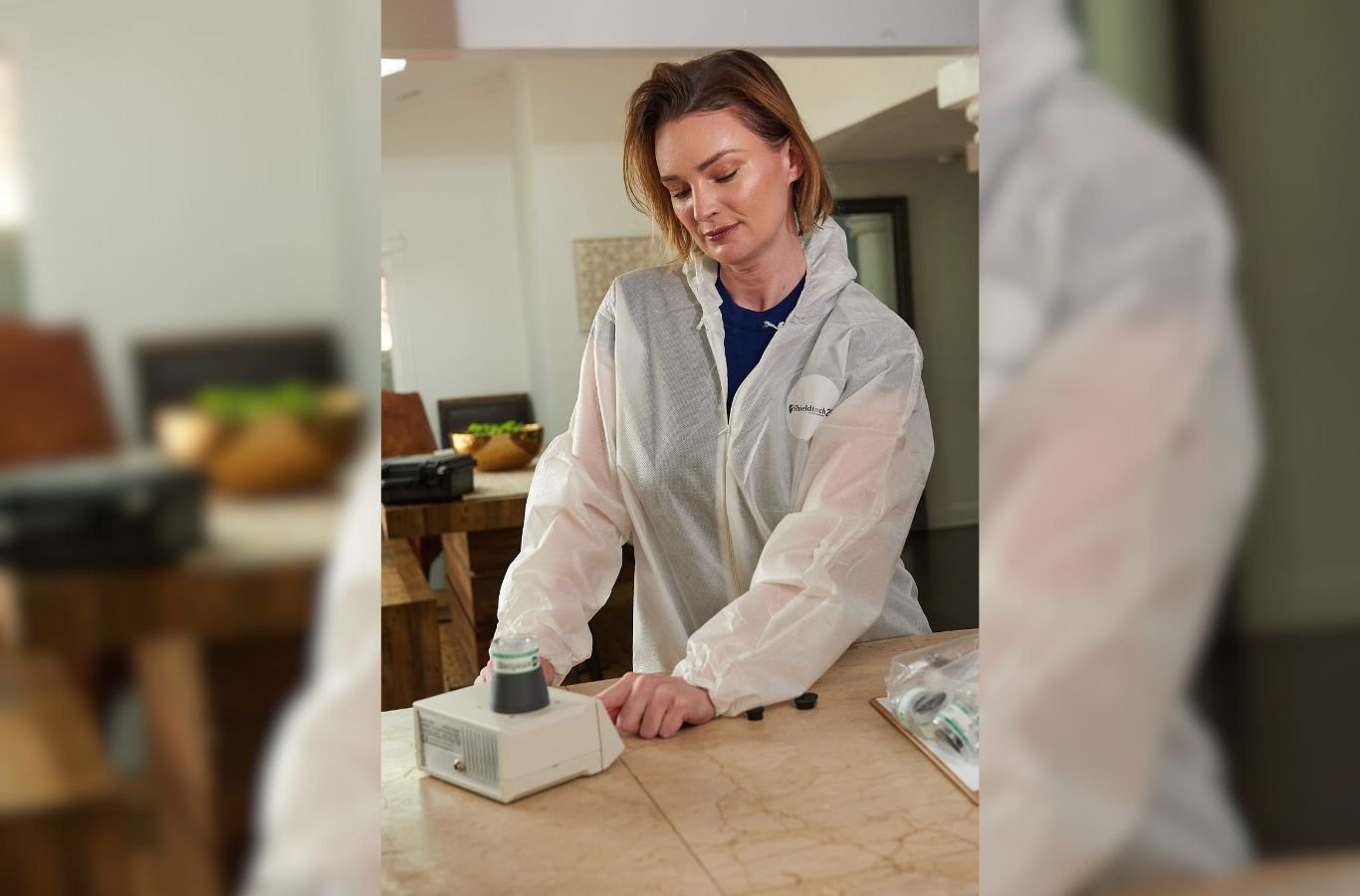
At the Mold Inspection Canary, we use a comprehensive mold inspection process to accurately locate and identify mold threats on your property.
1
Visual Assessment
Our certified mold inspectors will first conduct a detailed visual survey of the property, where they will focus on areas prone to moisture, such as attics and basements.
2
Moisture Mapping
Using specialized moisture meters, we track and map the moisture content in specific areas of your property, including walls, ceilings, and flooring.
3
Infrared Thermal Scanning
We conduct infrared thermal scanning to visualize temperature differences among the building materials of your property and point out any concealed water damage and moisture pockets.
4
Air Quality Testing
Our team collects indoor and outdoor air samples for spore count comparison and identifying the specific types of mold present in your property.
5
Surface Sampling
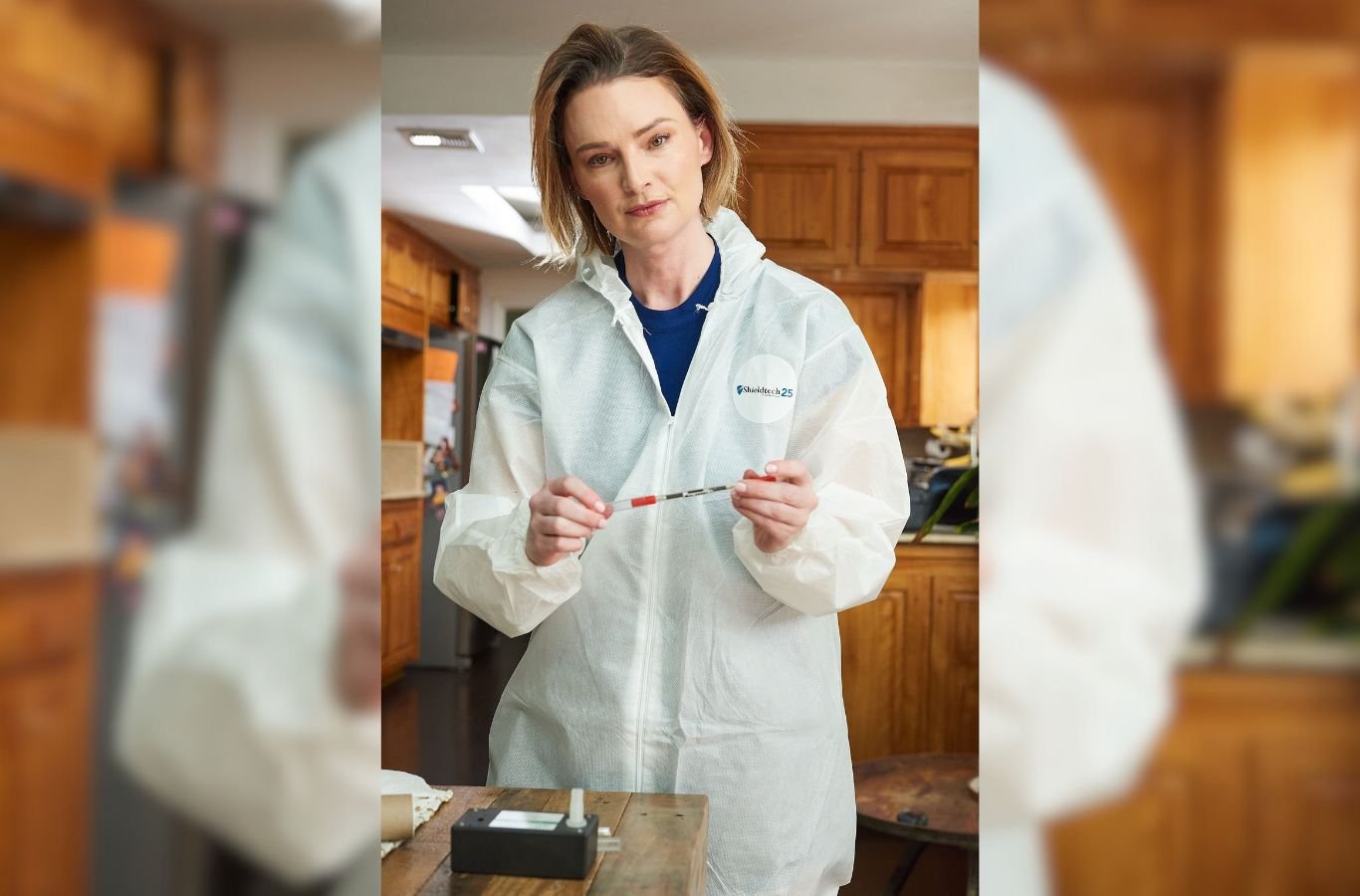
If we notice visible mold, we take surface samples to confirm the species and determine if it is toxigenic.
6
Lab Report + Recommendations
All the samples are sent to an independent, accredited laboratory for analysis and report preparation. We then provide specific, actionable recommendations for remediation.
Advanced Testing Options
For homes with severe or chronic mold concerns, or when a client requires the highest level of detail regarding their air quality, we provide the following advanced testing options:
ERMI Mold Testing
Environmental Relative Moldiness Index (ERMI) is an accurate, DNA-based test of the dust from your property that identifies 36 different species of mold and their history in your home.
HERTSMI-2 Scoring
Health Effects Roster of Type Specific Mold & Mycotoxins (HERTSMI-2) is a sensitive analysis for individuals with known mold sensitivities.
Mycotoxin Screening (EMMA)
This involves testing for the presence of mycotoxins produced by certain types of mold, like black mold.
VOC Testing
VOC testing detects specific gaseous compounds known as Microbial Volatile Organic Compounds (mVOCs), allowing for the identification of mold in hidden areas.
Surface Swab & Tape Tests
The tests are conducted to confirm the presence and identify the species of visible mold on surfaces and to collect samples for lab identification and toxicity determination.
Full Airborne Spore Count
We offer comprehensive reporting on the concentration and variety of spores in the air, providing a basis for remediation.
What Happens After Your Mold Inspection?
Our process does not end with professional mold inspection of your property. After the inspection, we take the following steps:
- The Certified Lab Report: All air and surface samples are analyzed by an accredited, third-party laboratory, which provides a full report identifying the species and concentration of mold spores found. We then provide you with a written scope of work (a protocol) that an independent remediation contractor can use to fix the problem.
- Remediation and Resolution: As a mold inspection company, we do not perform remediation. However, we provide detailed recommendations for a qualified remediation company to execute its work.
- Post-Remediation Verification (PRV): After the remediation contractor has completed their work, we conduct a further inspection to make sure the mold has been cleared. An official Certificate of Clearance is issued if the final lab results confirm that mold spore counts have returned to normal, safe levels.
Types of Mold Commonly
Found in Pasadena Homes
Our detailed inspection and lab analysis can identify and differentiate between these common mold species:
Black Mold (Stachybotrys)
A toxic mold type that can be found in areas with chronic, heavy water damage, such as behind drywall, under carpets, and near leaks.
Aspergillus
Another toxic mold that can be found in damp organic materials or stored items, and food. This type is usually common in water-damaged homes.
Penicillium
An allergen mold found in water-damaged building materials and areas of the building, such as in insulation, decaying fabrics, and mattresses.
Cladosporium
This common allergen can be found indoors and outdoors, and you can notice it appearing on window sills, fabric, wood, and painted surfaces.
Alternaria
Another allergen that appears in damp areas like showers, under sinks, and where condensation is high.
Why Choose Us for Mold Inspection in Pasadena?
At The Mold Inspection Canary, we focus on quality services that meet and surpass every client’s expectations.
- Committed to Unbiased Service: We strictly adhere to the industry standard for separation of duties. We only test and inspect; we do not perform remediation.
- Certified and Trusted Expertise: Our team maintains the highest industry standards, ensuring professional and accurate service every time. We have certifications from IICRC, ACAC, Indoor Air Quality Association (IAQA), and Better Business Bureau (BBB). work.
Testimonials
Pasadena Neighborhoods We Serve
While based in Pasadena, our certified mold inspection and air quality testing services extend throughout the entire San Gabriel Valley region. Here are the main areas we serve:
- Old Town Pasadena
- Bungalow Heaven
- Hastings Ranch
- South Pasadena
- San Rafael Hills
Frequently Asked Questions (FAQ)
The cost of a mold inspection and testing in the Pasadena area usually ranges between $400 and $800, depending on factors such as the size of the property and the number of lab samples needed.
Yes, both are highly recommended to locate where the mold is or is likely to grow and determine the type and concentration of spores in your property.
Yes, our professional inspection protocols use non-invasive tools like infrared thermal cameras and moisture meters designed to find hidden mold.
Yes, we conduct both air quality testing to measure the concentration of airborne mold spores and surface sampling to confirm the species of mold found on visible growth areas.
Yes, you will receive a comprehensive report covering the lab results, photographic documentation of problem areas, and a remediation protocol for an independent contractor to follow.
The on-site inspection process usually takes 1.5 to 3 hours, and the final report arrives in about 3–5 business days from the inspection date.
Yes, we offer ERMI testing and other advanced DNA-based assessments like HERTSMI-2 Scoring.
Yes, we test for black mold.
Yes, we encourage you to be present and help identify areas of concern and discuss your home's history. However, we’ll ask you to keep your pets and children away while the inspector is working or collecting samples.
Service Area
Mold Inspection Canary provides trusted mold inspection services in Pasadena, CA. Our detailed assessments ensure your property remains safe and free from mold risks.