
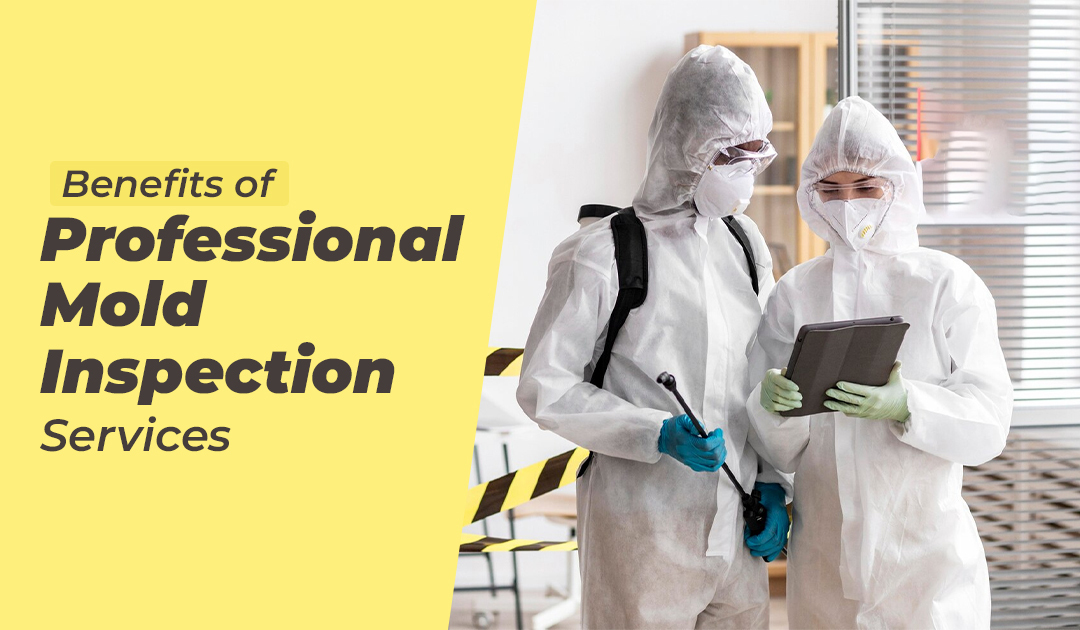
123 When it comes to protecting your home and indoor air quality, mold is one of the most underestimated threats. It often grows silently behind walls, under flooring, or inside HVAC systems, long before it becomes visible. Understanding the benefits of professional mold inspection services can help you make informed decisions, prevent costly damage, and protect your health.
What is a Professional Mold Inspection?
A professional mold inspection is a structured evaluation of a property to detect mold growth, identify moisture sources, and assess indoor air quality. Unlike a basic visual check, it combines advanced tools, scientific analysis, and expert interpretation.
This process goes beyond surface-level findings. It focuses on uncovering hidden mold, understanding why it is growing, and providing clear data about the condition of your property.
Why Professional Mold Inspection Services Matter
Many property owners assume that visible mold is the only concern. In reality, most mold problems begin in hidden areas where moisture accumulates over time.
Professional inspections are important because they:
- Detect mold before it becomes visible
- Identify the root cause of moisture issues
- Prevent structural damage and costly repairs
- Improve indoor air quality and health conditions
Without proper inspection, mold problems are often misdiagnosed or temporarily treated instead of fully resolved.
Key Benefits of Professional Mold Inspection Services
Accurate Detection of Hidden Mold
One of the biggest advantages is the ability to locate mold in areas you cannot see. Professionals use tools like moisture meters and thermal imaging to identify hidden moisture pockets behind walls and ceilings.
This ensures that mold is not just partially addressed but fully identified, reducing the risk of recurrence.
Scientific Testing and Verified Results
Professional inspections often include air and surface sampling. These samples are analyzed in a laboratory to determine mold type and concentration.
This data-driven approach removes guesswork and provides clear, reliable answers about the severity of the issue.
Identification of Moisture Sources
Mold cannot grow without moisture. A key benefit of professional inspection is identifying the exact source of the problem, such as leaks, condensation, or poor ventilation.
Fixing the root cause is essential to preventing mold from returning after cleanup.
Customized Remediation Planning
Every property is different, and so is every mold problem. Professional inspectors provide tailored recommendations based on the specific findings.
This helps ensure that remediation efforts are targeted, effective, and not unnecessarily expensive.
Protection of Health and Indoor Air Quality
Mold exposure can contribute to respiratory issues, allergies, and other health concerns, especially for sensitive individuals.
A professional inspection helps you understand potential risks and take steps to create a safer indoor environment.
Long-Term Cost Savings
While some homeowners delay inspections to save money, untreated mold often leads to expensive structural damage and large-scale remediation.
Early detection through professional inspection can significantly reduce long-term costs.
How Professional Mold Inspection Works
A high-quality mold inspection follows a structured process designed for accuracy and clarity.
Step 1: Visual Inspection
Inspectors evaluate visible areas for signs of mold, water damage, and humidity-related issues.
Step 2: Moisture Assessment
Specialized tools measure moisture levels in walls, floors, and air to locate hidden problem areas.
Step 3: Air and Surface Sampling
Samples are collected to determine mold presence and concentration levels.
Step 4: Laboratory Analysis
Certified labs analyze samples to identify mold types and severity.
Step 5: Detailed Reporting
You receive a comprehensive report with findings, images, and clear explanations.
Step 6: Actionable Recommendations
Experts provide next steps for remediation, prevention, and moisture control.
When Should You Consider a Mold Inspection?
Professional mold inspection services are especially valuable in certain situations:
- After water damage, leaks, or flooding
- When buying or selling a property
- If you notice musty odors indoors
- When experiencing unexplained allergy symptoms
- In high-humidity or poorly ventilated homes
Acting early in these situations can prevent more serious issues later.
DIY vs Professional Mold Inspection
While DIY kits are available, they often lack accuracy and context. They may detect spores but cannot identify the source or severity of the problem.
Professional inspections provide:
- Reliable data
- Expert interpretation
- Clear next steps
This level of detail is critical for making the right decisions about your property.
Final Thoughts
Professional mold inspection services are not just about finding mold. They are about understanding your property, identifying hidden risks, and taking the right steps to protect your health and investment.
At The Mold Inspection Canary, we focus on providing detailed, unbiased inspections backed by real data. Our goal is to give you clarity, not confusion, so you can make confident decisions about your home or business. If you suspect mold or want peace of mind, a professional inspection is the smartest first step.
FAQs
What are the main benefits of professional mold inspection services?
Professional mold inspections provide accurate detection of hidden mold, identify moisture sources, and offer data-backed results. They help prevent costly damage and improve indoor air quality. Unlike DIY methods, they provide a complete understanding of the problem. This ensures effective and long-term solutions.
Is a professional mold inspection really necessary?
Yes, because mold often grows in hidden areas that are not visible. Without proper tools and expertise, it is easy to miss the root cause. Inspections help detect issues early before they become severe. This can save both money and health-related risks.
How long does a professional mold inspection take?
Most inspections take between 1 to 2 hours depending on the property size. Additional time may be needed for sampling and analysis. Reports are typically delivered within 24 hours. The process is thorough but designed to be efficient.
Can a mold inspection help prevent future mold growth?
Yes, because it identifies the moisture sources that cause mold. By fixing these underlying issues, you reduce the chances of mold returning. Inspectors also provide preventive recommendations. This makes inspections a proactive solution, not just reactive.
What is included in a mold inspection report?
A professional report includes detailed findings, moisture readings, photos, and lab results if testing is done. It clearly explains affected areas and mold levels. You also receive recommendations for next steps. This document is useful for remediation, real estate, or insurance purposes.
Is mold inspection expensive compared to remediation?
No, inspections are significantly more affordable than full remediation. Early detection helps avoid large-scale damage and costly repairs. Investing in inspection can save thousands in the long run. It is a cost-effective preventive measure.
