
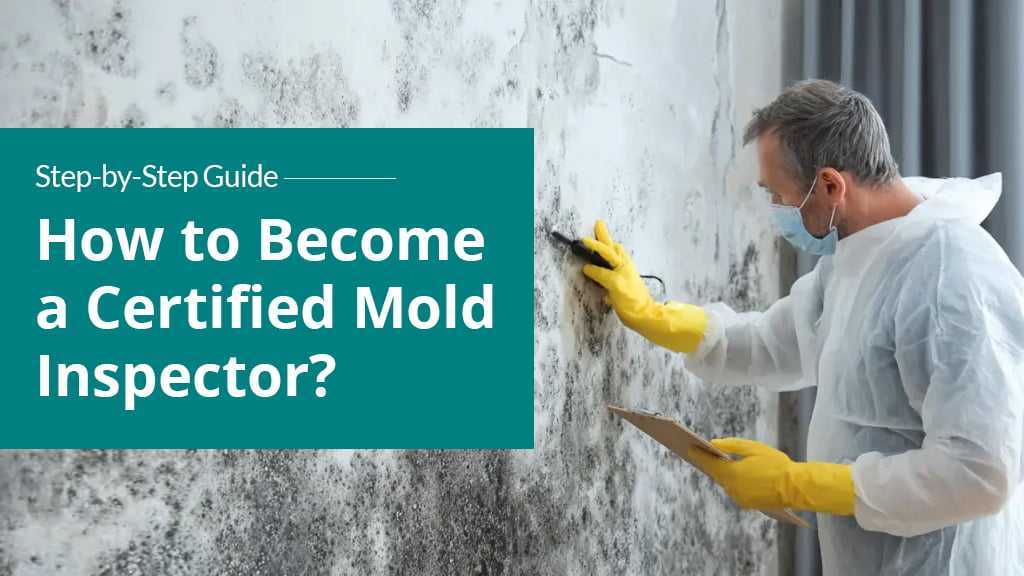
Mold is more than an unpleasant nuisance—it can damage structures and harm health. This growing concern has created a demand for skilled professionals who can identify, test, and assess mold problems in homes, commercial properties, and industrial buildings. If you’re interested in a career helping property owners maintain safe environments, becoming a certified mold inspector could be your path forward.
In this guide, we’ll cover everything you need to know about becoming a certified mold inspector, from training and certification to starting your own business.
What Does a Mold Inspector Do?
A mold inspector is trained to detect visible and hidden mold, assess moisture damage, and provide actionable recommendations for mold remediation. Key responsibilities include:
- Performing visual inspections of basements, attics, HVAC systems, and other mold-prone areas.
- Conducting air and surface sampling to identify mold species and spore levels.
- Detecting moisture issues that can lead to mold growth.
- Working with laboratories to analyze samples.
- Communicating findings clearly to clients and advising on remediation or prevention.
Mold inspectors may work independently, for inspection companies, or alongside construction and restoration businesses.
Steps to Become a Certified Mold Inspector
Step 1: Understand Your State’s Mold Inspection Regulations
Regulations vary by state. While many states don’t require a license to perform mold inspections, staying informed about local laws is crucial. Some states are beginning to require certifications, so checking your state’s current requirements ensures compliance and builds client trust.
Step 2: Complete a Mold Inspection Certification Program
Certification is the fastest way to demonstrate your expertise. Courses typically cover:
- Identification of mold species and growth patterns
- Air and surface sampling techniques
- Moisture detection methods
- Mold prevention and remediation recommendations
- Health hazards associated with mold exposure
Certifications from reputable organizations like the National Association of Mold Professionals (NAMP) are highly respected and make clients more confident in your abilities.
Step 3: Decide If You Want Mold Remediation Certification
While mold inspectors identify and test for mold, mold remediation specialists handle the actual removal. If you want to offer a full-service solution, getting certified in remediation is beneficial. Keep in mind, some states may legally require separate licensure for remediation.
Step 4: Invest in PPE and Essential Tools
Safety is paramount when dealing with mold. Essential personal protective equipment (PPE) includes:
- N-95 respirators or higher-grade masks
- Protective gloves, boots, and clothing
- Eye protection
Key tools for inspections include:
- Moisture meters and hygrometers
- Infrared cameras and borescopes
- Air sampling pumps and particle counters
- Flashlights and basic hand tools
These investments ensure accurate inspections and protect your health.
Step 5: Partner with Accredited Testing Laboratories
Mold inspectors rely on labs to analyze air and surface samples. Choose accredited facilities with fast turnaround times and reliable testing procedures. Labs accredited by AIHA-LAP or recognized by industry associations are preferred.
Step 6: Launch Your Mold Inspection Business
Once certified and equipped, it’s time to establish your business:
- Marketing: Build a professional website, optimize for local SEO, and promote services on social media.
- Networking: Connect with real estate agents, home inspectors, and contractors for referrals.
- Client Outreach: Offer free consultations, inspections for home buyers, and partnerships with insurance companies.
- Professional Associations: Join organizations like NAMP or NAMRI to stay updated and boost credibility.
With these steps, you’ll be well-prepared to launch a successful mold inspection career.
Skills and Qualities of a Successful Mold Inspector
- Attention to Detail: Mold can hide behind walls, under flooring, or in HVAC ducts.
- Analytical Skills: Ability to interpret lab results and identify moisture issues.
- Communication: Explaining findings and recommendations to clients in simple terms.
- Problem Solving: Identifying sources of mold and advising on prevention strategies.
- Health & Safety Awareness: Following proper safety protocols during inspections.
How Long Does It Take to Become Certified?
The timeline depends on your course and certification level. Most mold inspection certifications can be completed within a few weeks to a few months, while combined inspection and remediation certifications may take longer. Online courses, like those offered by NAMP, provide flexibility for those already working in related fields.
Conclusion
Becoming a certified mold inspector is a rewarding career that combines technical knowledge, environmental awareness, and the opportunity to help homeowners and businesses maintain safer indoor environments. By completing the right certification courses, investing in proper inspection tools, and understanding local regulations, you can build a successful career in this growing industry.
At The Mold Inspection Canary, we specialize in professional mold inspection and testing services that help property owners identify hidden mold, moisture issues, and indoor air quality concerns. Our experienced team provides detailed assessments across Los Angeles and surrounding areas, including Santa Monica, Beverly Hills, Pasadena, and other Southern California communities.
Whether you are exploring a career as a mold inspector or need a certified professional to evaluate your property, understanding proper inspection methods is the first step toward making informed decisions. If you need expert guidance or a professional mold inspection, contact The Mold Inspection Canary today to learn more.
FAQs
Do I need a license to become a mold inspector?
Licensing requirements vary by state. Many states don’t mandate a mold inspector license, but certification is recommended to build credibility and comply with upcoming regulations.
Can I offer mold remediation as a certified inspector?
Yes, but remediation may require a separate certification or licensure depending on your state. Combining inspection and remediation services can be a valuable offering for clients.
How much does it cost to become certified?
Certification courses typically range from a few hundred to over a thousand dollars, depending on the provider and level of training. PPE and inspection tools are additional investments.
How long does it take to become a certified mold inspector?
Most courses can be completed in weeks to a few months. Online programs offer flexible schedules for working professionals, while combined inspection and remediation training may take longer.
What skills are essential for a mold inspector?
Attention to detail, analytical thinking, communication, problem-solving, and strict adherence to health and safety protocols are crucial skills for successful mold inspectors.
